
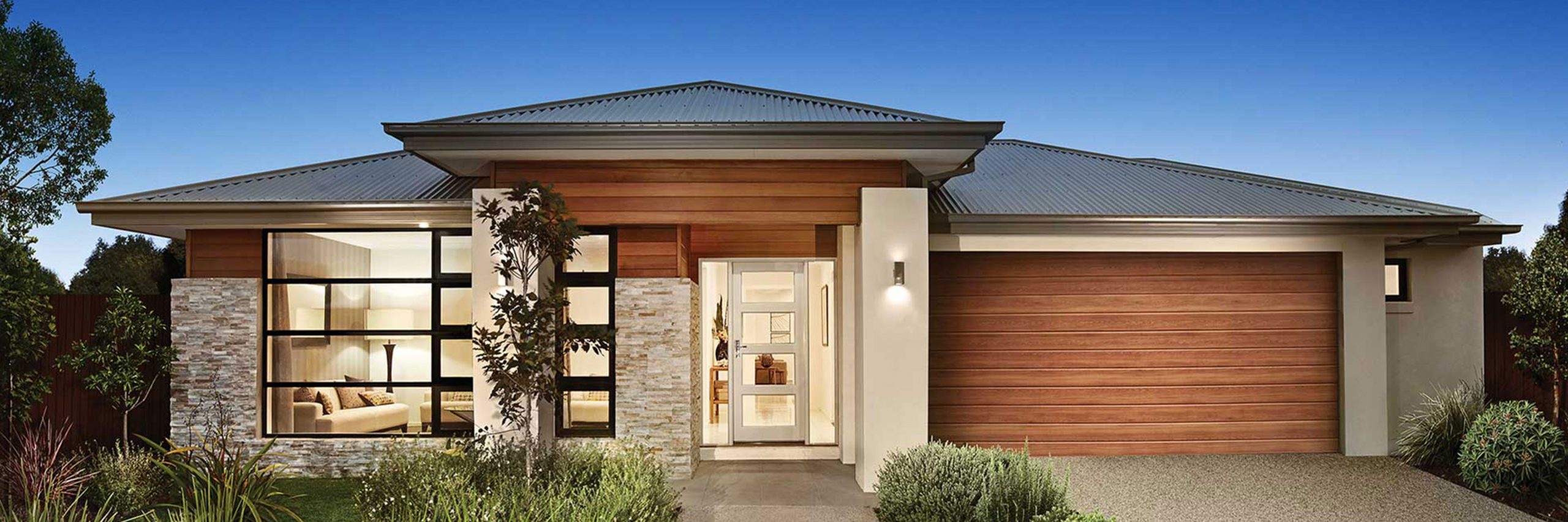
Most investors buy Co-Living property as a house and land package. But some of the strongest outcomes come from building a purpose-built Co-Living home on the right block: one we find for you, land you already own, or an older house you knock down and replace. properT network manages the whole journey, from checking the block and the numbers to design, approvals, build and handover to a specialist property manager.
Three Ways to Start
| Option | Best for | What we do |
|---|---|---|
| We source the block | Investors who want a Co-Living home in a location that suits their budget and strategy | Research locations, shortlist vacant lots that suit Co-Living zoning and demand, then design and build |
| Bring your own block | Owners of vacant land, or land bought for a future build | Check whether your land suits Co-Living, match a design from a library of proven plans, then build |
| Knockdown and rebuild | Owners of an older house on a well-located block | Assess whether the land is worth more as Co-Living, manage demolition, then design and build new |
Whichever path you take, the finished product is the same: a home that looks like any other new house in the street, with typically five to nine private suites inside. Each suite usually has its own bedroom, living area, ensuite and kitchenette, often with a private courtyard, plus a shared kitchen and laundry.
How the Service Works
- Strategy first. We start with your goals, budget, borrowing capacity and ownership structure. Co-Living is a high-income strategy, but it is not right for everyone. Strategy before property.
- Block feasibility. We check zoning, lot size and frontage, overlays, services, the state rooming house rules, nearby demand (hospitals, universities, transport and jobs), achievable rents and the likely valuation.
- Design. A purpose-built Co-Living design is matched to your block from a library of proven plans, then adjusted for council and compliance requirements. These homes are generally built as Class 1b buildings under the National Construction Code.
- Finance and valuation. We introduce brokers who lend on Co-Living. Lenders usually order an “as if complete” valuation before construction starts.
- Approvals. Planning approval where it is needed, building approval and, for knockdowns, the demolition permit.
- Demolition (knockdown sites). Services disconnected, any asbestos removed by licensed contractors, the old house demolished and the site cleared.
- Build. Construction on a building contract with regular progress updates. Solar is commonly included to help offset the utilities the owner pays.
- Furnish, register and lease. The furniture package, rooming house registration or accreditation for your state, and handover to a property manager who specialises in Co-Living.
Is Your Block Suitable?
Not every block works for Co-Living. Before anything is designed, we check:
- Zoning and overlays. Residential zoning that allows rooming or Co-Living use, and no heritage, flood or other overlays that would block or complicate the build.
- Size and shape. Enough area and frontage for the design, parking and any minimum garden area.
- Demand. Close to hospitals, universities, major employers and public transport, where single renters want to live.
- Rents. Depending on location and suite size, private suites typically rent from about $320 to $595 a week, often including power, water and internet. We check what is achievable for your specific block.
- The numbers. Build cost, holding costs, rents, outgoings and the likely valuation, so you know the result before you commit.
Extra Checks for a Knockdown and Rebuild
- What you give up. The existing house, and its rent, disappear. The project only makes sense if the new Co-Living income and value clearly outweigh that.
- Asbestos. Homes built before 1990 often contain asbestos, which must be removed by licensed contractors before demolition.
- Demolition permit, trees and heritage. Some councils restrict demolition or tree removal, and heritage overlays can stop a knockdown altogether.
- Holding costs. Allow for rates, insurance and interest across the approval, demolition and build period, when the site earns no rent.
- Using your equity. The equity in land you own can often fund the deposit and costs of the new build, which is a key reason this option appeals to existing owners.
The Rules Differ by State
We work Australia-wide, but planning and registration rules change at every state border and often between councils. A few examples:
| State | What to know |
|---|---|
| Victoria | In the main residential zones, a rooming house can generally be built without a planning permit if the total floor area is 300 m² or less, it accommodates no more than 12 people and has no more than nine bedrooms, and the garden area requirement is met. The operator needs a rooming house operator licence and council registration. |
| Queensland (Brisbane) | Rooming accommodation for five residents or fewer that meets the council code can be accepted development in suitable residential zones. Larger proposals may need planning approval. Operators of residential services must register and be accredited. |
| New South Wales | Co-living housing under the Housing SEPP generally needs development consent, at least six private rooms, and a minimum lot size of 600 m² in the R2 zone. |
| Other states | Rules vary. We confirm the requirements with the council and state authority before you commit. |
For more detail, see our guide to Co-Living and rooming house rules by state.
How a Purpose-Built Co-Living Home Is Valued
A standard home is valued by comparing recent sales nearby. A Co-Living home is usually valued more like a commercial property, by capitalising its net income: value = net annual income ÷ capitalisation rate. Cap rates for rooming houses have recently been quoted at around 6.5%, but they vary by location, quality and market conditions.
Illustration only: six suites at $400 a week and 90% occupancy earn about $112,300 a year. After management, utilities, internet, rates, insurance, compliance and maintenance of roughly $33,400, the net income is about $79,000. At a 6.5% cap rate, that indicates a value of around $1.21 million. If the land and build cost less than that, the project creates equity on completion. If they cost more, it does not. This is why the feasibility check matters so much.
For the full income picture, see Co-Living return on investment.
Finance and SMSF
- Specialist lenders. Not every bank lends on Co-Living. Some specialist lenders will go up to 80% LVR on Class 1b rooming houses. A broker who knows this type of lending is essential.
- SMSF and Trust strategy. New residential LRBAs are no longer available from 10 August 2026, but an SMSF can still buy outright with available assets, or use an SMSF and Trust strategy. Under a 13.22C unit trust, your SMSF and you (or your family trust) buy units in a trust that owns the property. The unit trust itself must not borrow. Any borrowing sits outside super, funding the units held by you or your trust. The 13.22C conditions must be met for as long as the investment is held, so get specialist SMSF, legal and tax advice first. Read more: SMSF residential property in 2026.
- Depreciation. A new build gives you depreciation on both the structure and the fit-out, which helps after-tax cash flow. Ask your accountant how it applies to you.
Why Build New Rather Than Convert?
Converting an existing house into rooms rarely meets today’s Co-Living standards for suite size, ensuites, fire safety and accessibility. A new, purpose-built home is designed for compliance from day one, attracts better tenants, costs less to maintain and gives you the depreciation benefits of new construction. In Stephen’s words: a new build stays ten years younger than the house next door, including when you sell.
Why Demand Keeps Growing
About one in four Australian households now has just one person, and rental vacancy rates remain very low in most capital cities. Research reported by Hotspotting (PIPA) found that roughly 145,000 extra investors were needed over five years to house population growth, yet only about 111,000 entered the market. Purpose-built Co-Living adds several homes on a single block, providing affordable private accommodation for health workers, essential workers, young professionals and a growing number of single women over 50. Read more in why shared living demand is rising.
Related Reading
- How investing in Co-Living property works
- Rooming houses explained
- Co-Living properties available now
- Why I wouldn’t invest in a Co-Living property (in the wrong location)
- Investment grade property explained
- Investment Property Melbourne and Investment Property Queensland
Frequently Asked Questions
Can I build a Co-Living home on land I already own?
Often, yes. It depends on the zoning, lot size, overlays and your state’s rules. We check your block first and only recommend going ahead if the design, compliance and numbers all work.
Can you knock down my existing house and build Co-Living?
Yes, where the land suits it. We manage the demolition permit, asbestos removal, demolition and the new build. We will also tell you plainly if keeping the existing house is the better financial outcome.
How many suites can I build?
Typically five to nine, depending on the block and state rules. In Victoria, for example, the planning permit exemption applies to no more than nine bedrooms and 12 people.
Can my SMSF build a Co-Living home?
Yes, with the right structure. New residential LRBAs ended on 10 August 2026, so the fund either buys outright with available assets or uses an SMSF and Trust strategy: a 13.22C unit trust owned by your SMSF and you or your family trust, where the trust does not borrow and any borrowing sits outside super. Get specialist SMSF advice before committing.
Find Out What Your Block Could Earn
Whether you want us to find the block, already own land or are weighing up a knockdown, start with a conversation. Book a complimentary strategy session with Stephen Lazar at properT network and we will tell you honestly whether Co-Living suits your block and your goals.
Or call 0413 108 125.
Free download: The Co-Living Investor Checklist
36 checks to make before you buy a Co-Living or rooming house property: strategy, finance, location, state rules, management and exit. A free 9-page PDF from Stephen Lazar.
General information only. properT network does not provide personal financial, legal, tax or lending advice. Planning rules, rents, valuations and lending policies change and vary by property and state. Seek independent professional advice before making any decision.
